LISTE
BASEL 2026
BOOTH 59 | LISTE BASEL 2026
MARILYN BOROR BOR
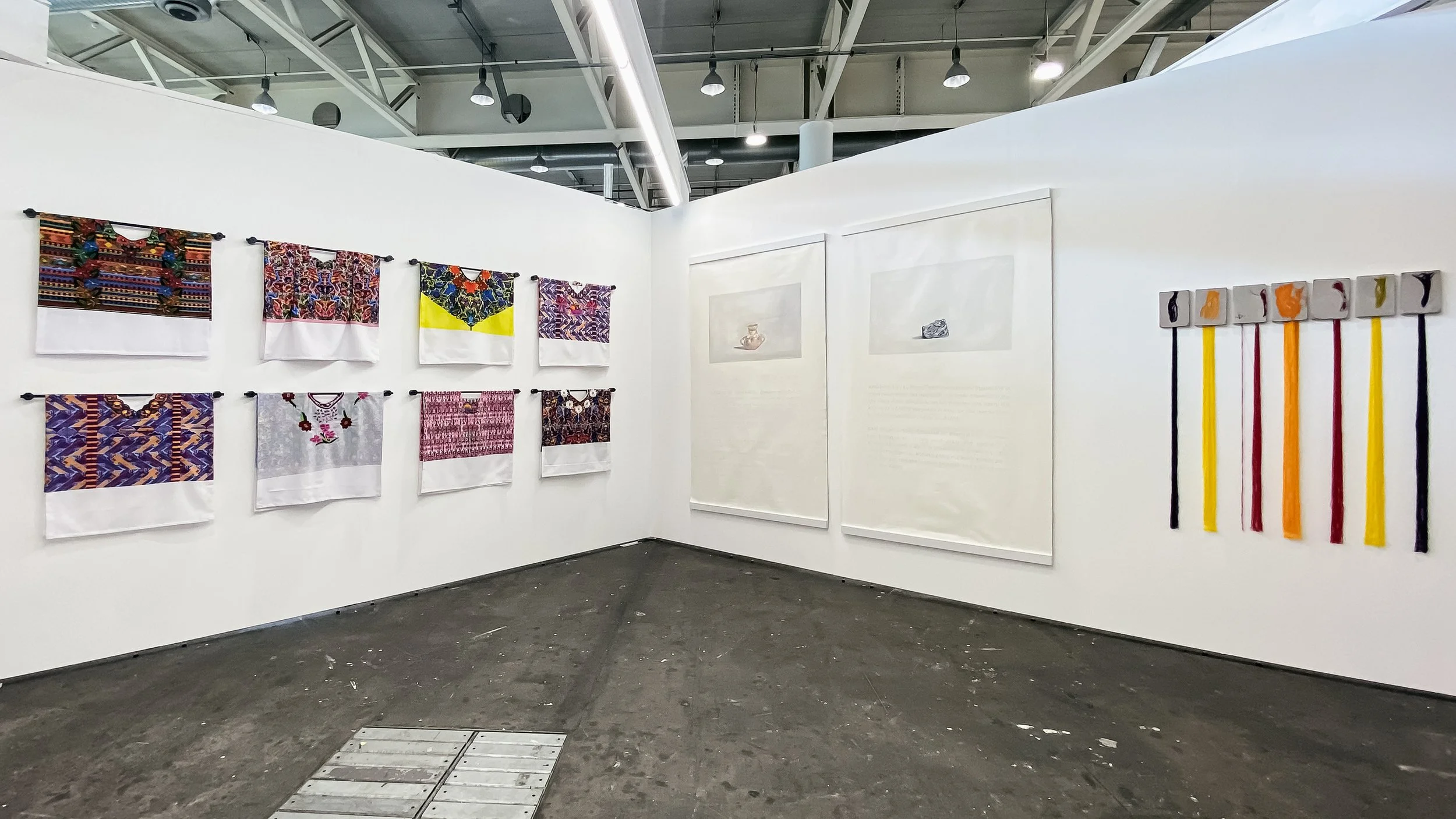
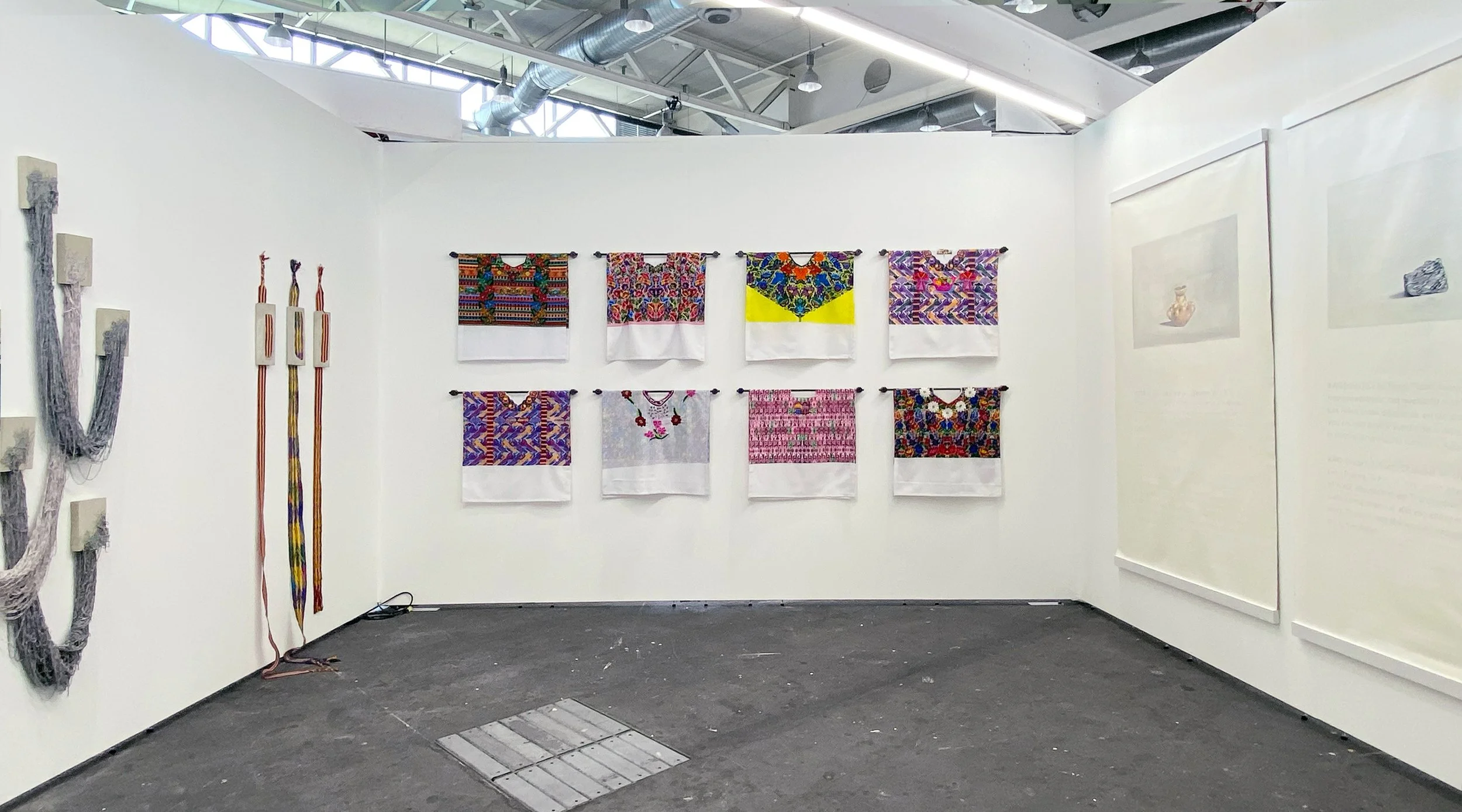
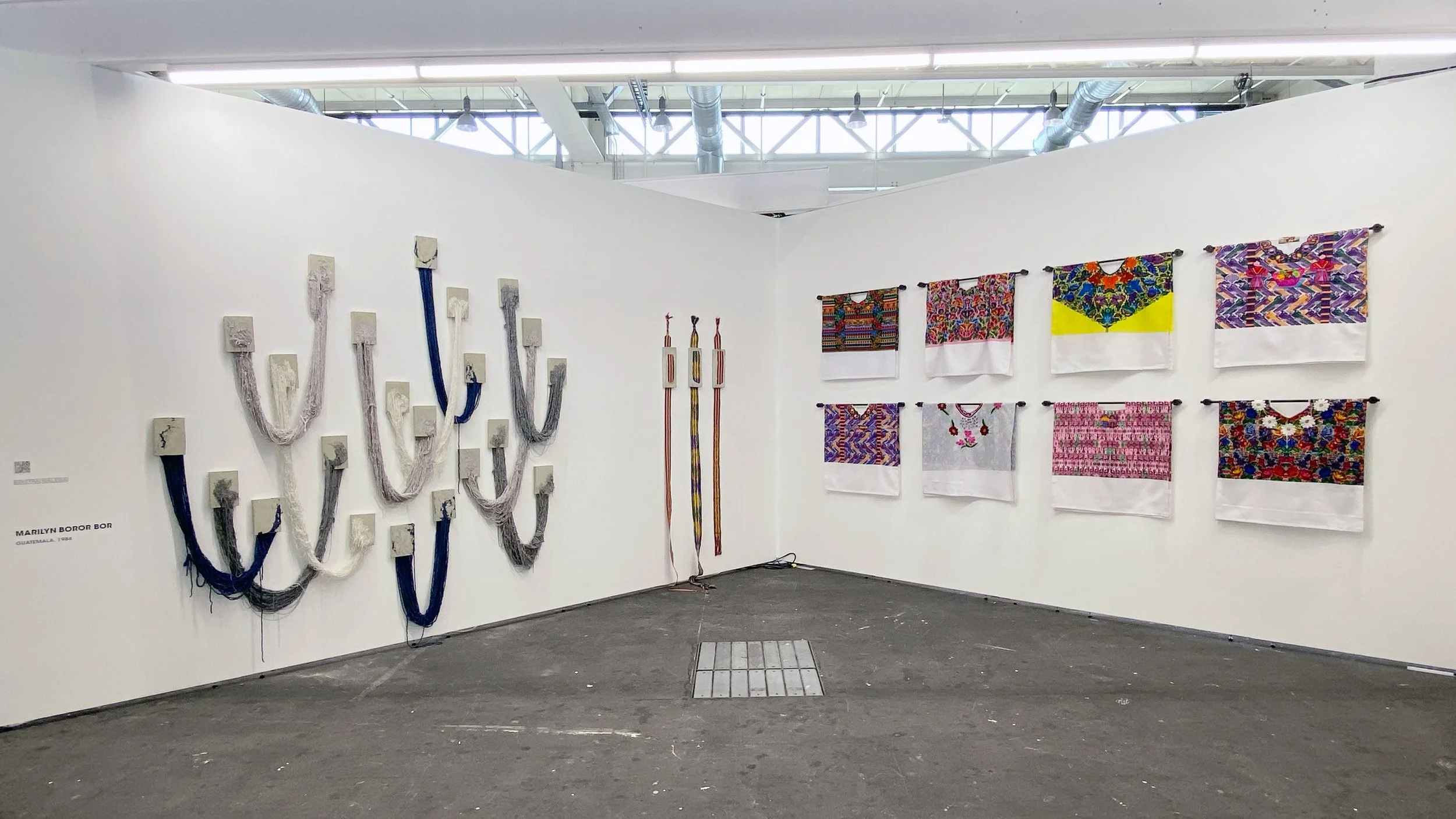
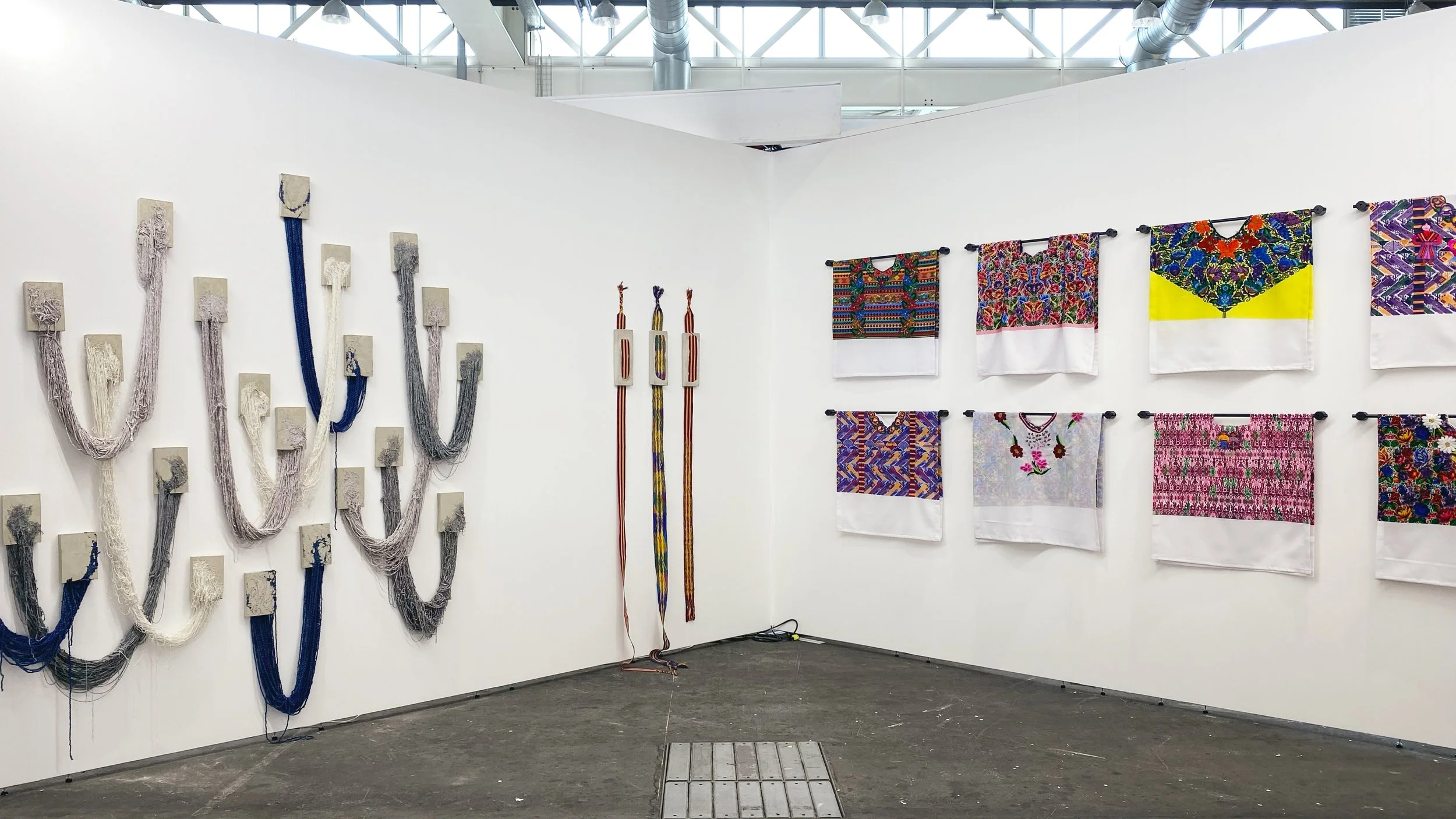
For Liste 2026, Galería Extra presents a project by Marilyn Boror Bor that brings together three bodies of work from her ongoing practice: Re/Write Re/Name, Buried Rituals: Combing the Roots, and Dictionary of Forgotten Objects. Across these series, Boror Bor reflects on memory, Indigenous knowledge, and the ways territory and everyday life are transformed by systems of extraction and urbanization in Guatemala.
Marilyn Boror Bor is a Maya Kaqchikel artist from San Juan Sacatepéquez, a region historically known as “the land of flowers,” where the expansion of cement factories has deeply altered the landscape and the rhythms of community life. Her practice emerges from materials, gestures, and forms of knowledge rooted in her daily experience and cultural inheritance. Through sculpture, textiles, and installation, she explores how ancestral memory persists within the body, within objects, and within the land itself.
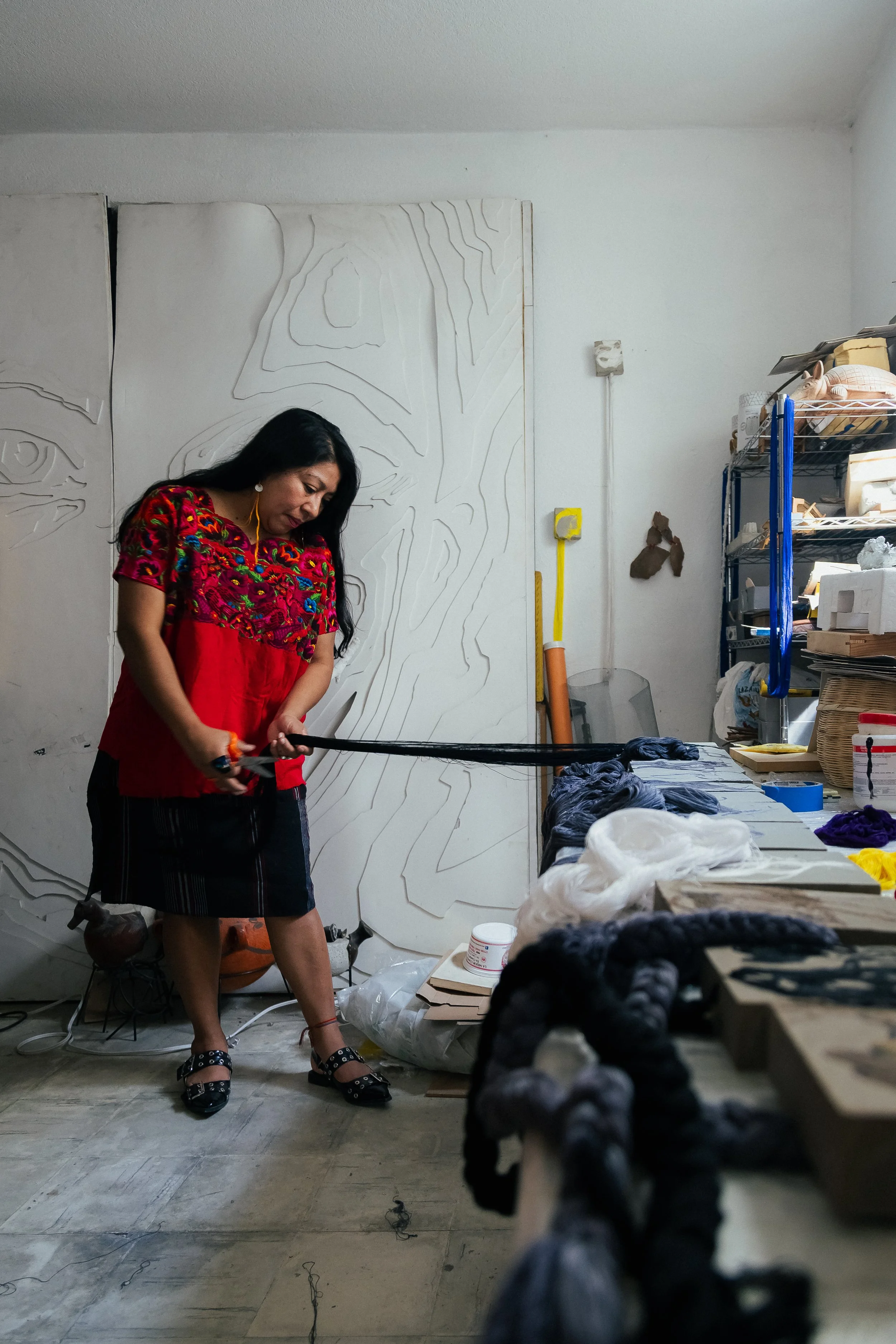
Marilyn Boror Bor in her studio, Guatemala
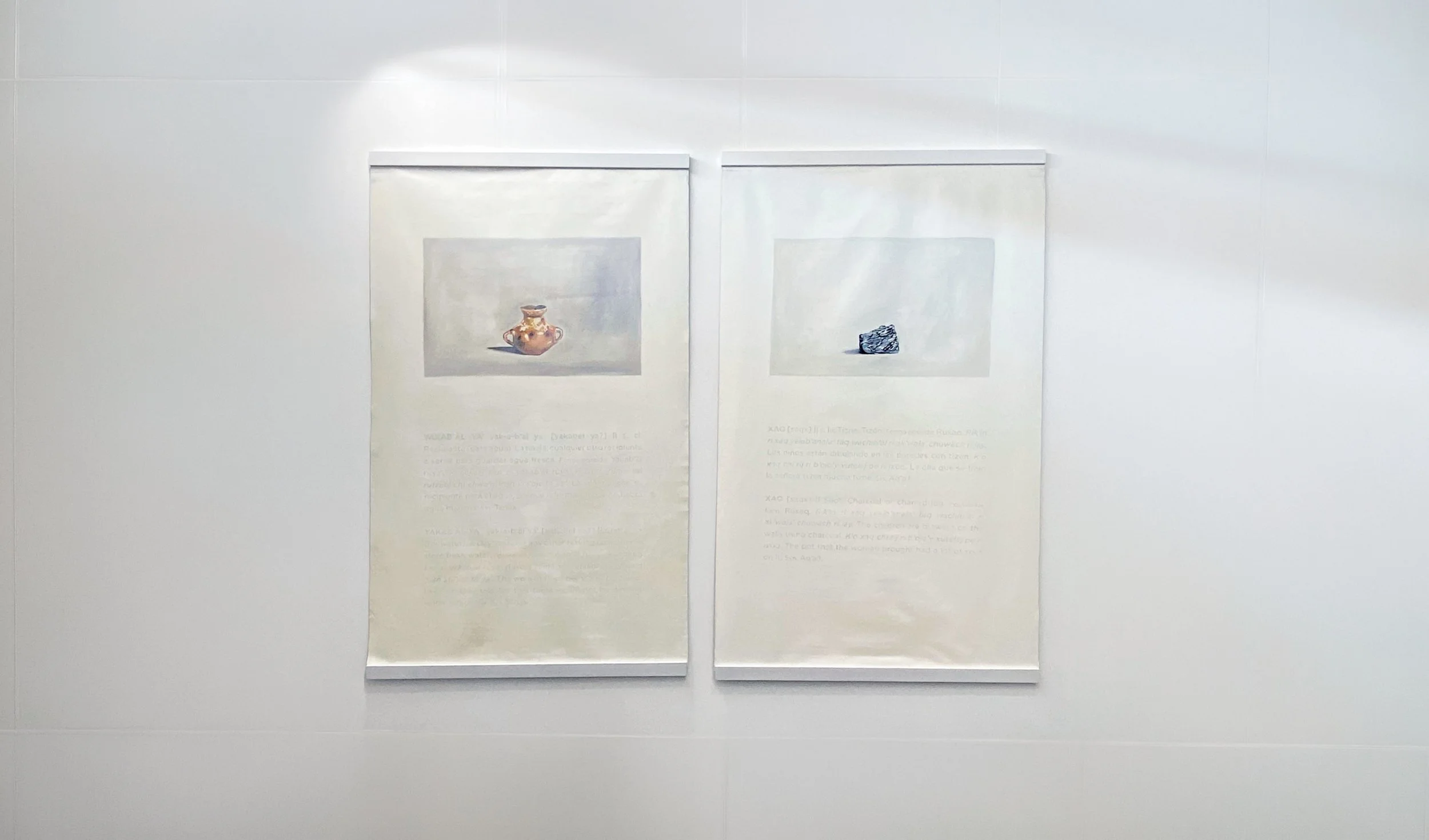
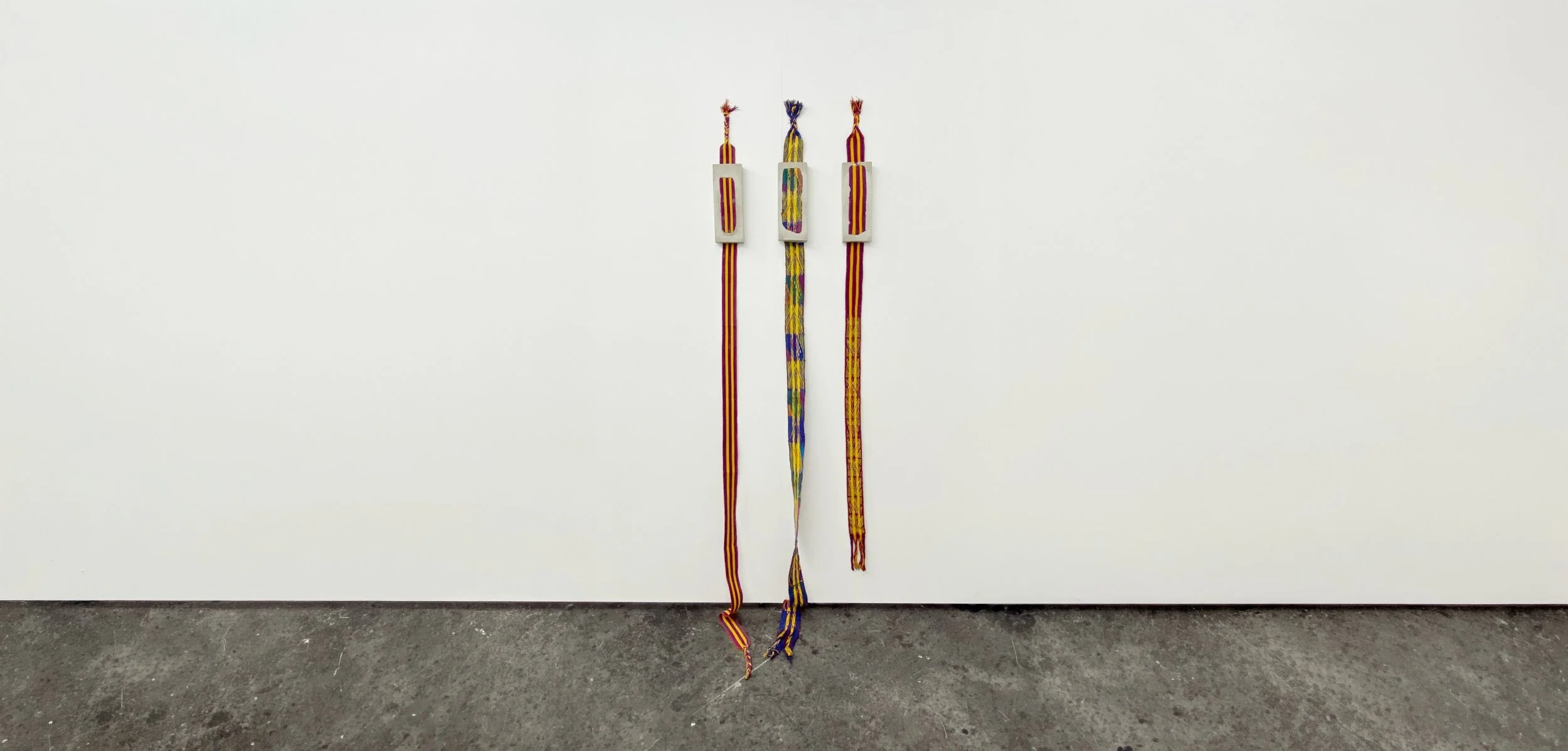
In Dictionary of Forgotten Objects, Boror Bor turns her attention to everyday objects connected to domestic and communal life. Through collecting, preserving, and recontextualizing these materials, she creates a kind of personal and collective archive. The series reflects on how ordinary objects can carry memory, affection, and knowledge across generations, especially within communities whose histories have often been excluded from official narratives. Rather than presenting these objects as remnants of the past, the works insist on their continued presence and relevance.
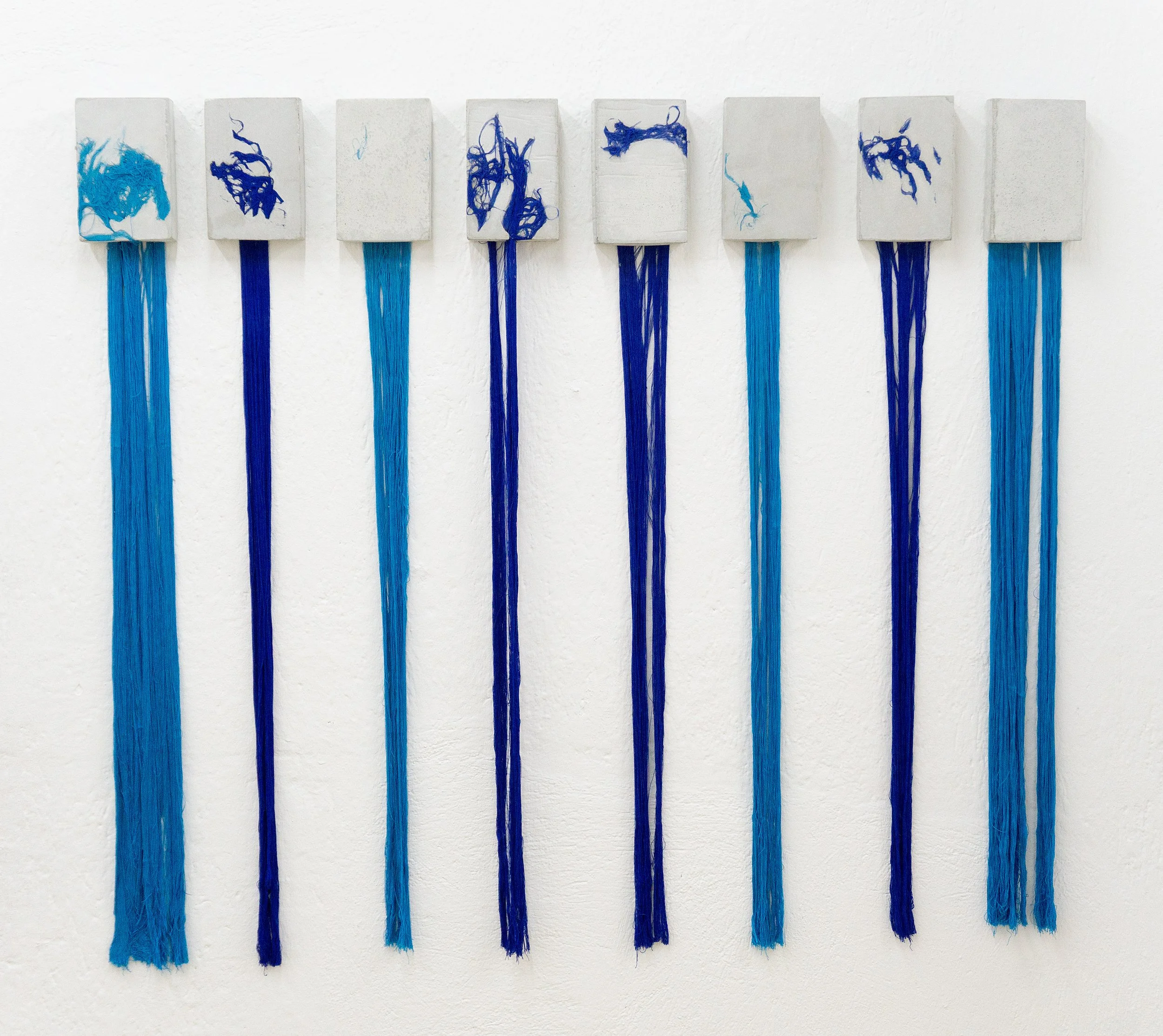
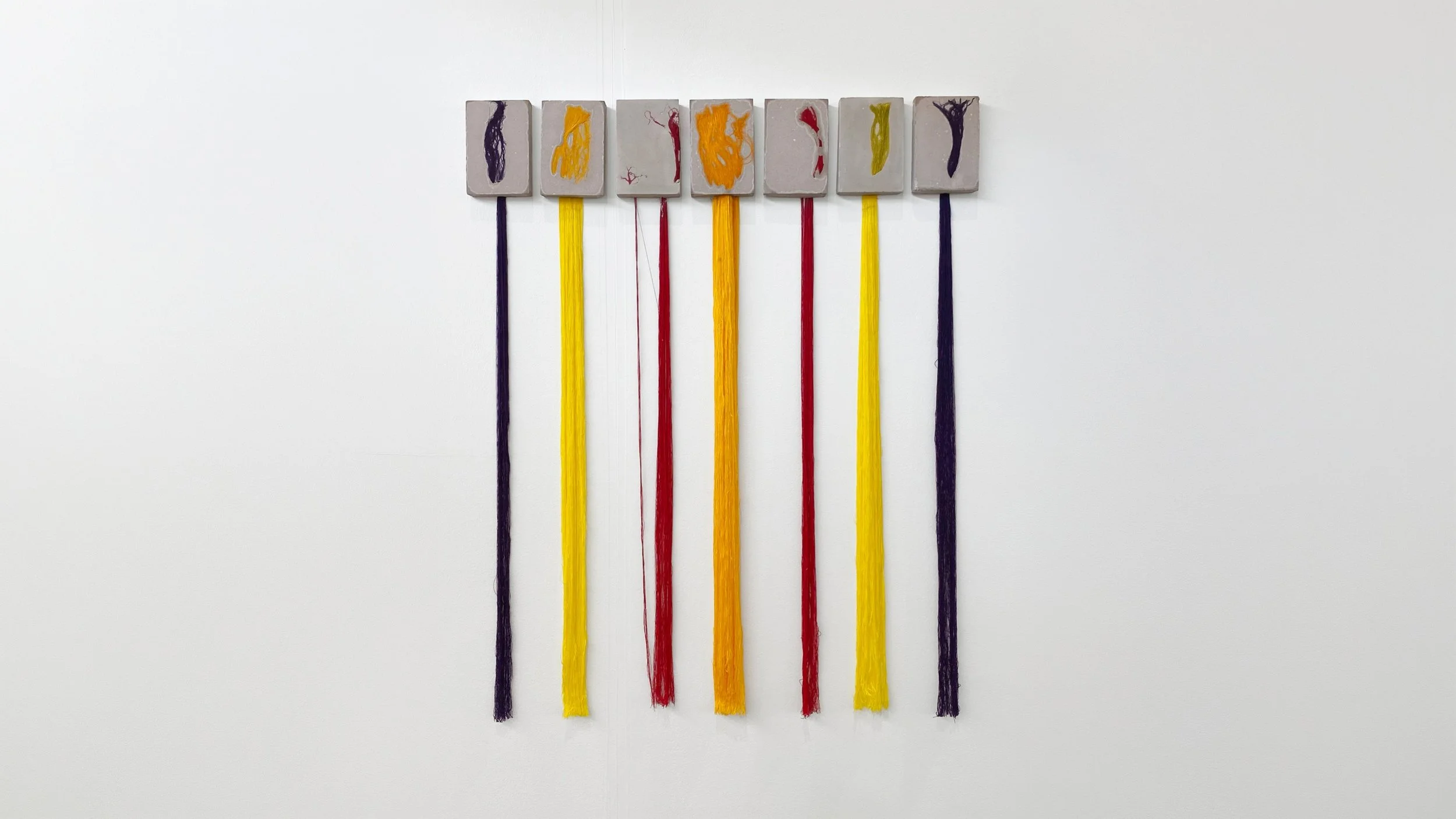
The sculptures in Buried Rituals: Combing the Roots focus more directly on the violence of extractivism and urban expansion in her territory. Combining threads, roots, plantain leaves, corn husks, and concrete, Boror Bor creates works that hold tension between organic materials and the hardness of industrial development. Threads emerge from cement blocks, disappear into cracks, or push outward as if resisting containment. The works evoke rituals, gestures, and forms of connection to the land that are often buried or displaced by modernization, while also sugges-ting the persistence of memory beneath these structures.
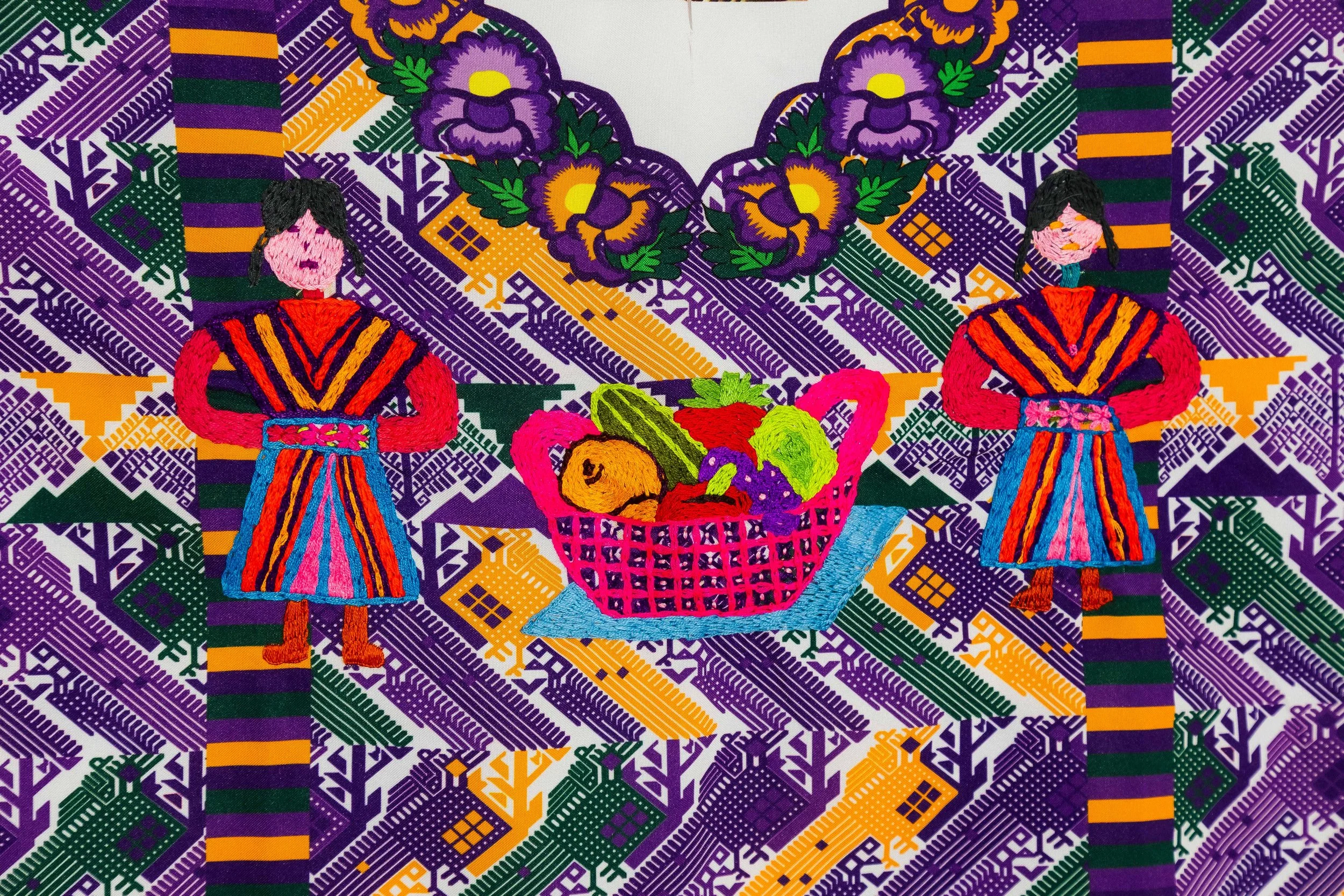
Marilyn Boror Bor, Re/Write Re/Name III, detail
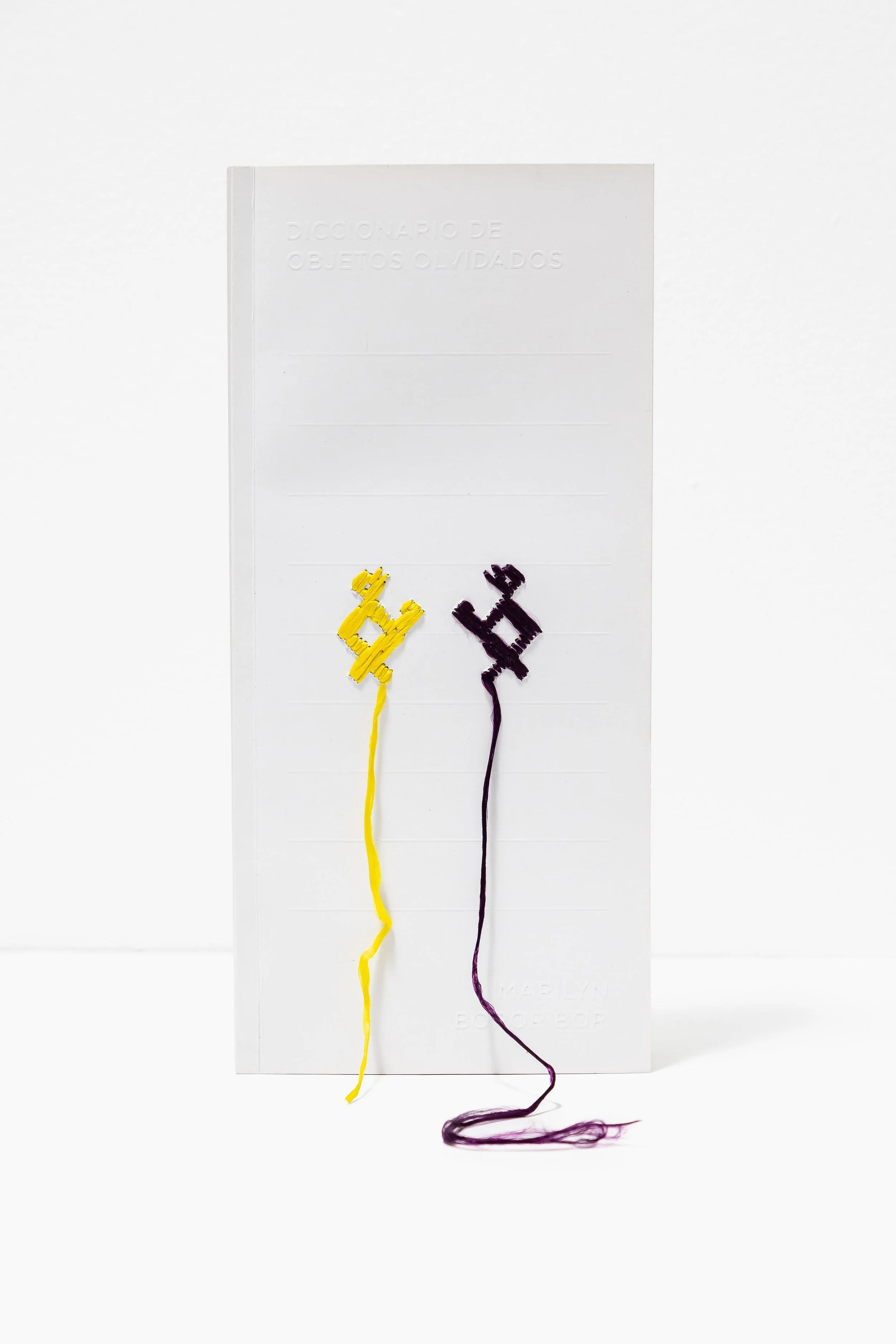
Marilyn Boror Bor, Dictionary of Forgotten Objects.
In Re/Write Re/Name, Boror Bor approaches Maya clothing as a living system of thought and communication. In many Indigenous communities, weaving and embroidery are not simply deco-rative practices; they are forms of knowledge that carry stories, histories, and ways of unders-tanding the world. The artist reflects on how industrialization has reproduced Indigenous textile designs through sublimation and digital printing processes, often displacing the labor of women weavers while emptying the textile of its symbolic and cultural meaning. By intervening directly on these industrially produced fabrics, Boror Bor reclaims the textile as a space of memory and resistance. For her, clothing is inseparable from the body, the landscape, and collective identity.
ABOUT THE ARTIST